How to Know When Your Senior Dog or Cat Needs More Frequent Vet Visits for Senior Pet Care
As your older dog or cat enters their senior years, proper senior pet care becomes essential to keeping them healthy and comfortable. Many pet owners in Chattanooga, TN, are surprised to learn that annual vet visits often aren't enough once a pet reaches their senior years. Knowing when to increase the frequency of visits can make a real difference in catching problems early.
When Does a Dog or Cat Become a Senior?
Most dogs are considered seniors around age seven, though larger breeds may reach that stage earlier. Cats typically enter their senior years around age ten or eleven. A single year in a senior pet's life covers a much wider span of health changes than it does in a younger animal, which is exactly why more frequent monitoring matters.
How Often Should Senior Pets See the Vet?
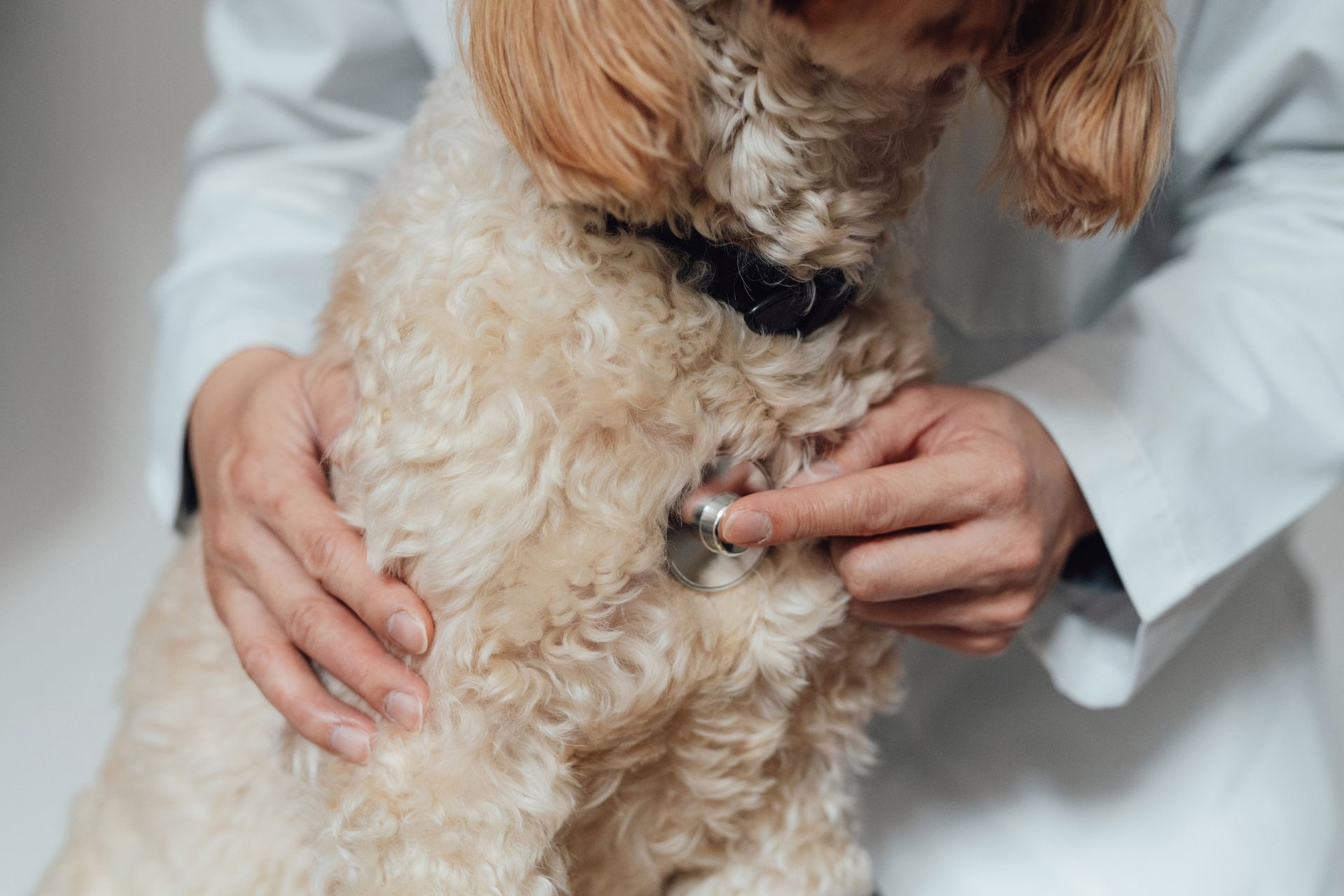
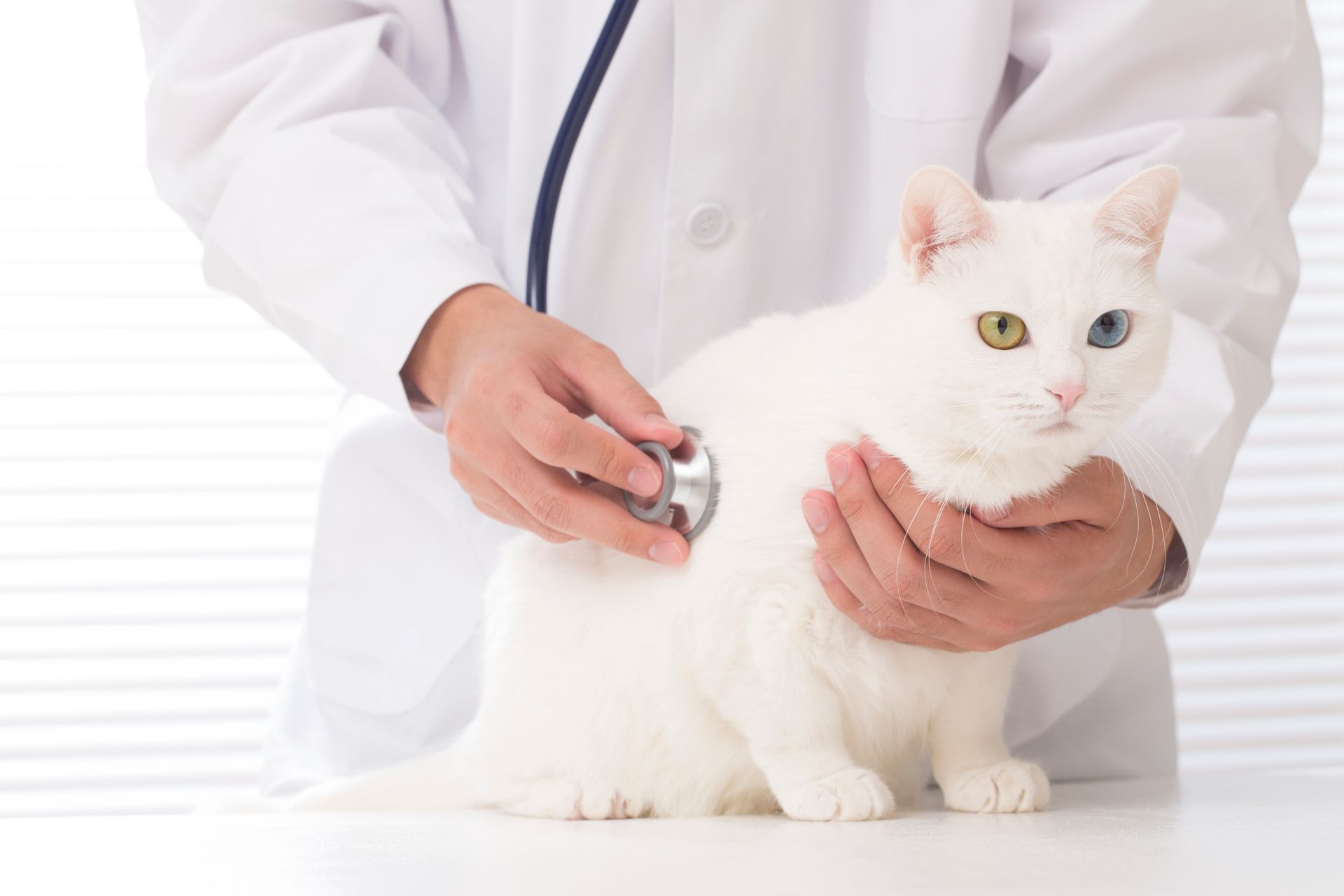
Most veterinarians recommend twice-yearly wellness exams for senior dogs and cats. Two visits per year allow your vet to run bloodwork, check organ function, and compare results over time. Conditions like kidney disease, thyroid problems, and diabetes can progress quickly, and six months is a meaningful window for catching early changes that annual exams might miss. Consistent senior pet care gives your veterinarian the data needed to track your pet's health over time.
Warning Signs That Mean Your Senior Pet Needs a Visit Now
Some changes should not wait for a scheduled appointment. Watch for:
▸ Increased thirst or urination, which may indicate kidney disease or diabetes.
▸ Stiffness, reluctance to climb stairs, or hesitation when jumping, which may suggest arthritis.
▸ Confusion, getting lost in familiar spaces, or disrupted sleep, which can signal cognitive decline.
▸ Unexplained weight loss or gain, which may point to thyroid disease or other metabolic conditions.
▸ Changes in appetite, persistent vomiting, or low energy lasting more than a day or two, which may signal an underlying illness.
Chattanooga's seasonal weather and humidity can also make arthritis flare-ups more noticeable in older dogs
What Makes a Senior Wellness Plan Different
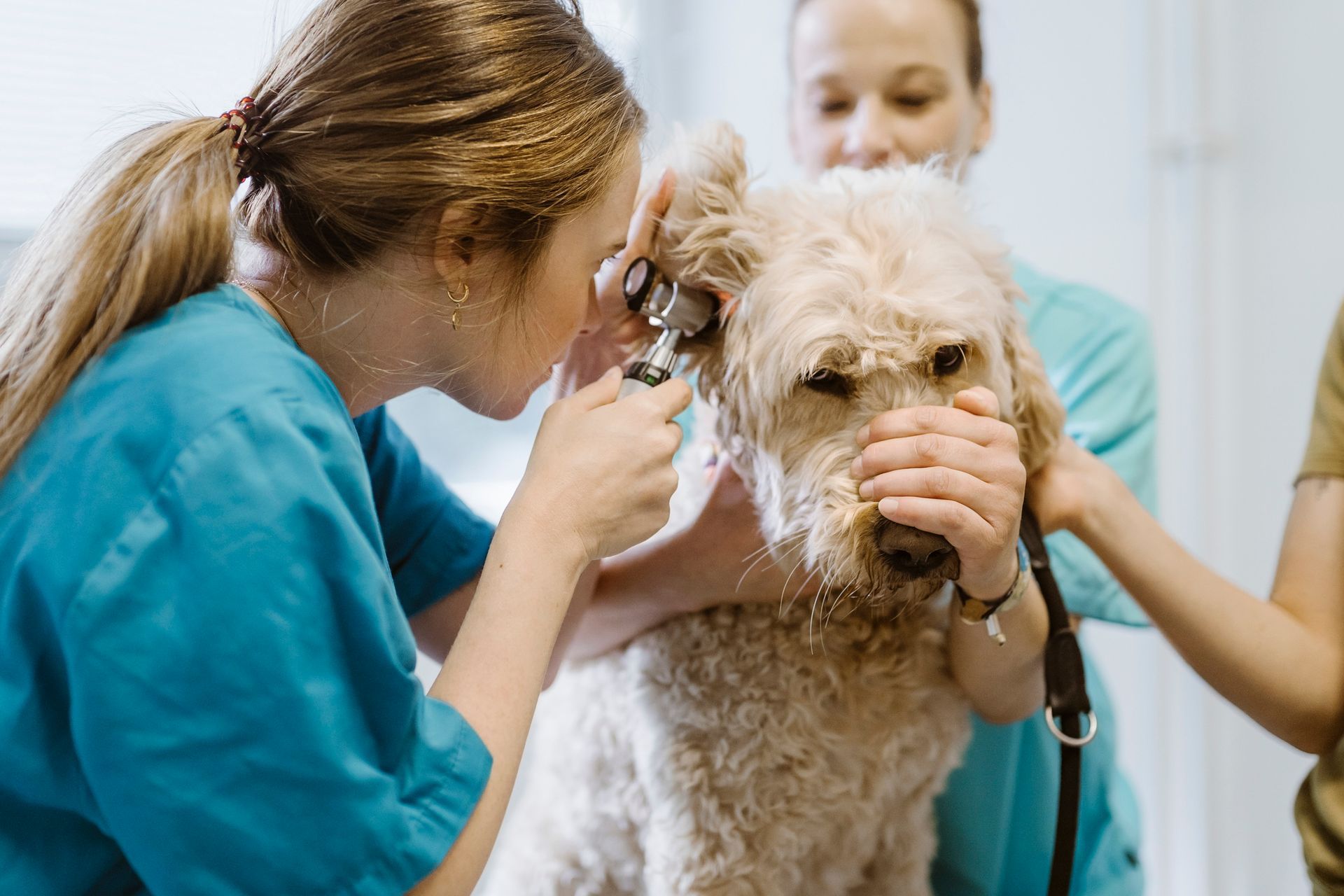
Senior pet care goes beyond a standard annual physical. A senior wellness plan typically includes bloodwork panels, urinalysis, blood pressure checks, dental evaluation, and a body condition assessment. These tools help your vet build a picture of how your pet is aging and where intervention may help. Early treatment of conditions like chronic kidney disease or arthritis can meaningfully improve quality of life and potentially extend it.
Frequently Asked Questions About Senior Pet Vet Visits
At What Age Should I Switch My Pet to Senior-Frequency Vet Visits?
Most dogs benefit from twice-yearly exams starting around age seven. For cats, aim to make the switch around age ten, or earlier if your cat has an existing health condition.
What Bloodwork Do Senior Pets Typically Need?
A senior wellness panel usually includes a complete blood count, chemistry panel, and urinalysis to screen for kidney and liver function, blood sugar, and thyroid values in cats.
Can Cognitive Decline in Pets Be Treated?
Cognitive dysfunction in senior dogs and cats cannot be reversed, but early detection may allow your vet to recommend dietary changes, supplements, or medications that slow progression and support quality of life.
When your senior pet is ready for more attentive care, the team at Ashland Terrace Animal Hospital is here to help. Schedule a wellness exam to get a full picture of where your dog or cat stands today, or contact us to discuss a senior care plan tailored to your pet's needs.
Call (423) 877-4576 to book your appointment.